Latest from Our Blog
Insights, updates, and stories from the world of sustainable farming.
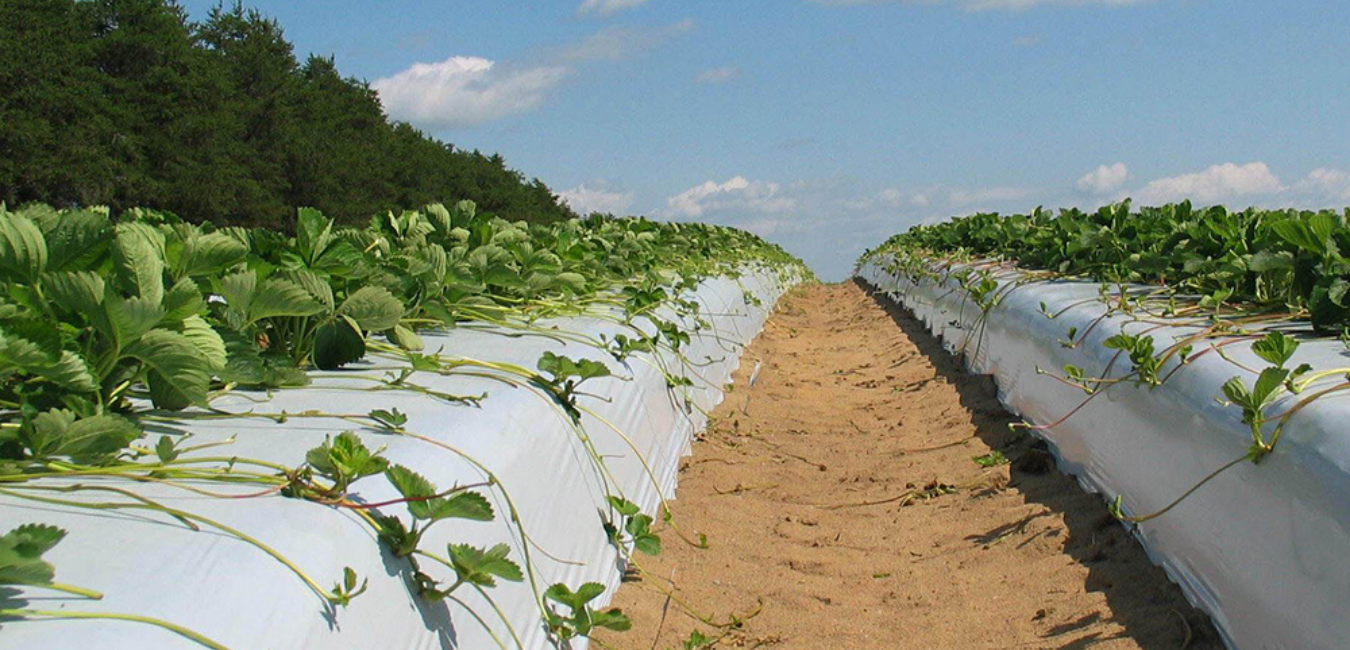
Mulching Paper Story
Mulching (Agriculture Film) is the practice of covering the soil around plants to improve the growing conditions for the crop. Historically natural mulches such as straw, compost, hay and wood chippings have been used, but over the last 40 years, paper and plastics have been introduced.
Due to its poor wet strength and price, paper has been found less effective and more costly than plastic. The result is that plastic mulch film is the primary choice for agricultural applications.
Plastic mulch film is widely used on high-value crops such as tomatoes, melons, cucumbers, squash, peppers, strawberries, and even increasingly on lower-value crops like corn and potatoes.
Benefits of Plastic Mulch Film: Moisture retention, weed reduction, increased soil temperature, less crop contamination, improved germination, and reduced soil compaction — leading to higher yields (up to 100% in some crops) and earlier harvests (up to a month).
Additionally, the reduction in weeds and improved conditions means herbicide and pesticide use can be minimized, and fertilizers can be reduced due to enhanced soil fertility.
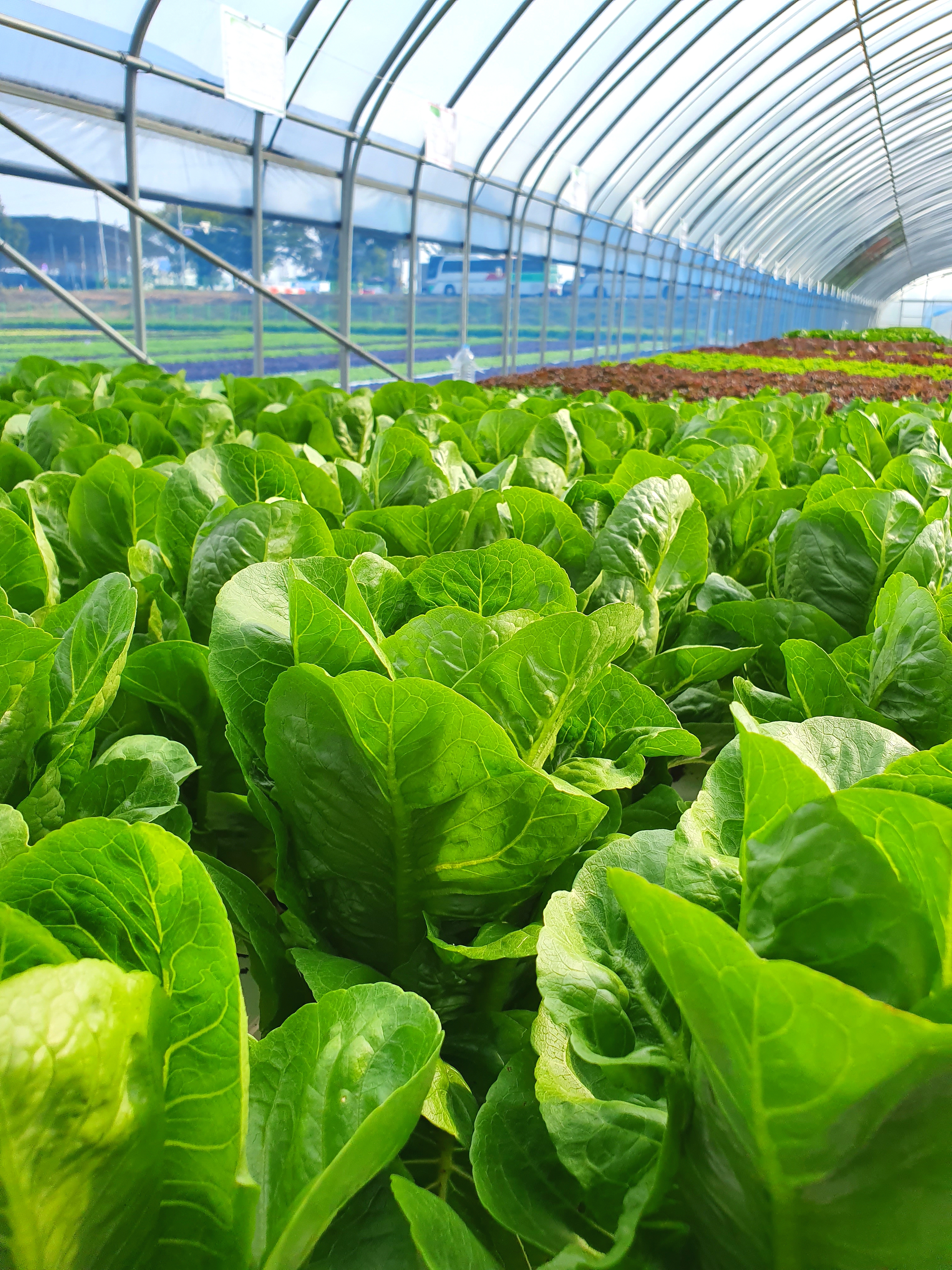
All Plant Protection Cover
Technology is becoming a key enabler in rural farming. From mobile soil testing kits to AI-powered irrigation systems, Yogdaan is helping rural farmers access affordable solutions that make their work more efficient, profitable, and eco-friendly. We’re bridging the gap between tech and the grassroots level.
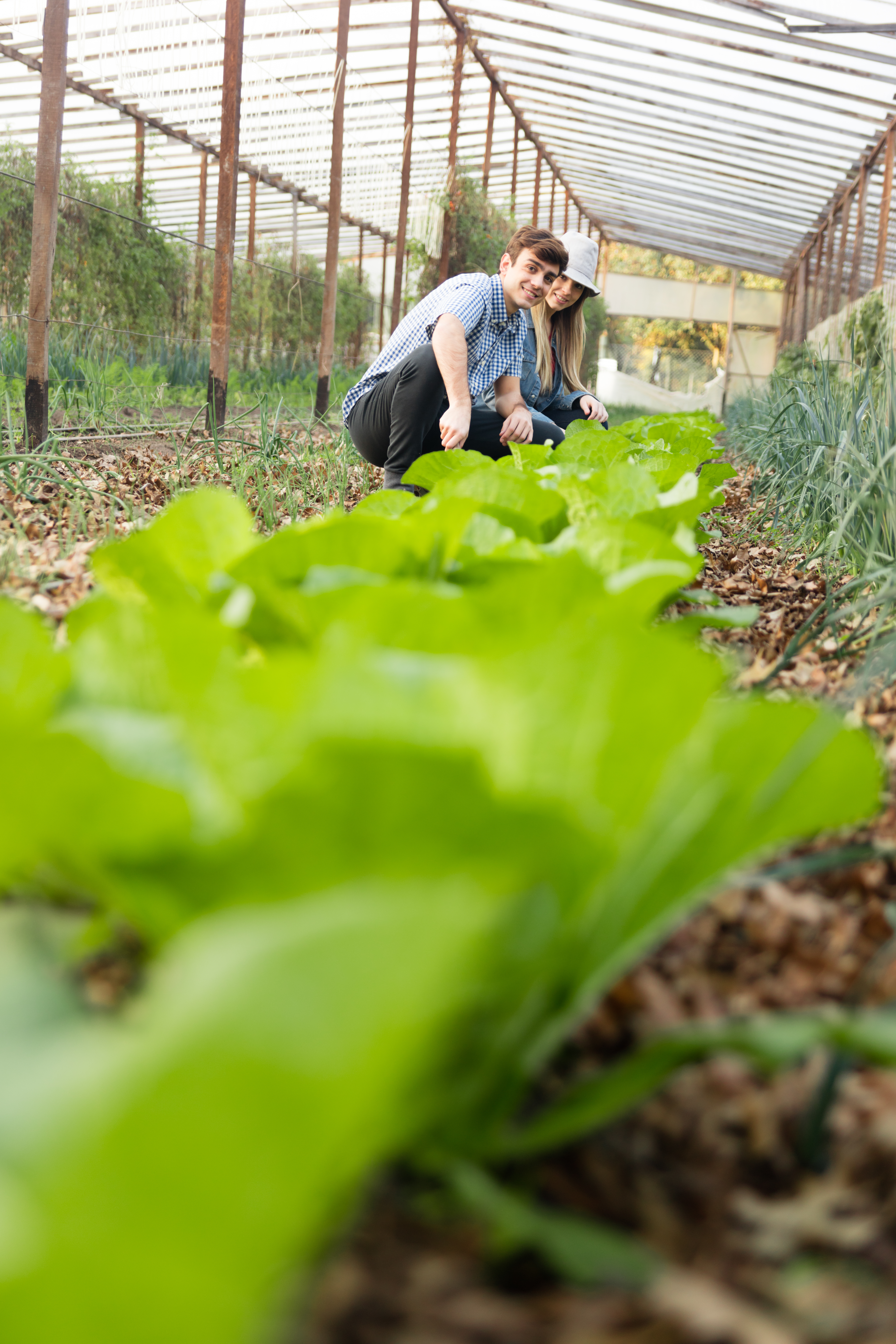
What Drip Irrigation is about
Organic and environmentally safe fertilizers are at the heart of modern ecological farming. This blog explores the types of sustainable fertilizers, their benefits to soil health, and how they minimize environmental impact. Learn why transitioning to green inputs is essential for long-term food security and a healthier planet.